
Your child eats breakfast, has lunch at school, and finishes dinner at the table. So why does something still feel off? Many parents are surprised to learn that the signs of nutrient deficiency in children don’t always look like hunger.
A child can eat regularly and still fall short of the vitamins and minerals their growing body needs. Fatigue, frequent illness, mood changes, and slow growth are all ways the body signals that something is missing.
Recognizing these signs early gives you the opportunity to act before they affect your child’s long-term health and development.
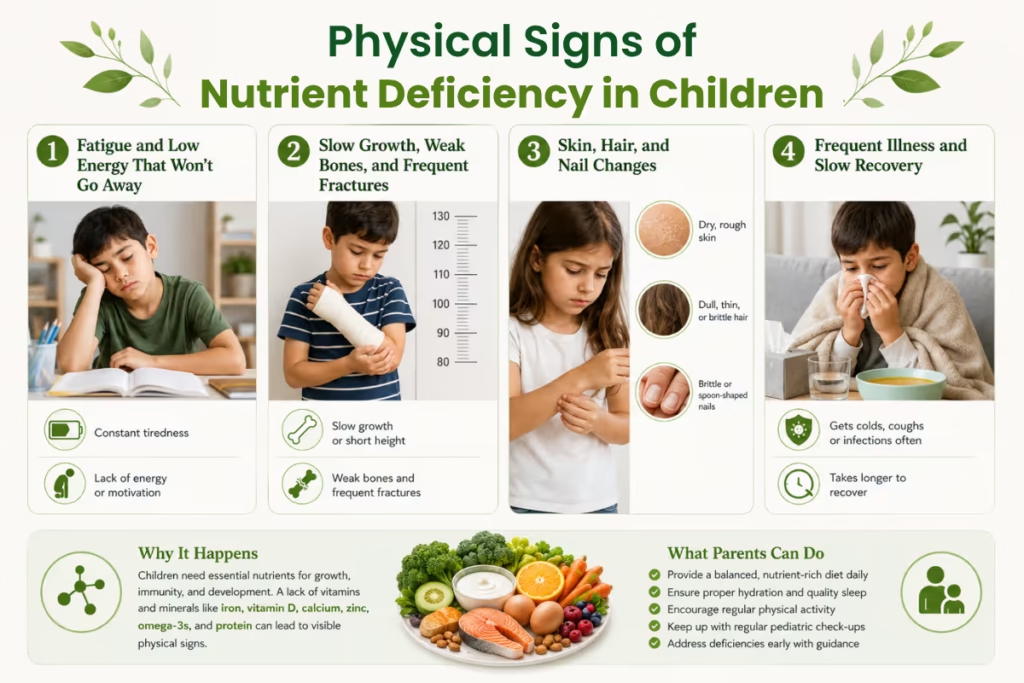
Physical Signs of Nutrient Deficiency in Children
Fatigue and Low Energy That Won’t Go Away

One of the most telling physical signs of nutrient deficiency in children is persistent tiredness. When a child becomes easily fatigued during normal activities, play, school, physical education, or needs more rest than their peers, it is worth examining their diet.
Research published in the NIH journal PMC identifies iron as a critical nutrient for oxygen transport in the body. Without adequate iron, children experience low energy availability because their cells are not receiving sufficient oxygen to sustain activity.
Iron is not the only nutrient involved. B vitamins, magnesium, and adequate caloric intake from quality food sources all contribute to a child’s day-to-day energy levels. Therefore, a child who is consistently low in energy despite sleeping well deserves a closer look at what they are eating and what may be missing.
Slow Growth, Weak Bones, and Frequent Fractures

Physical growth in children depends on a steady supply of nutrients. Calcium, vitamin D, phosphorus, and magnesium all play a direct role in bone formation and skeletal development. When these nutrients are insufficient over time, bone density can be reduced, and growth may slow.
A child who falls short on calcium and vitamin D is also at greater risk of fractures, as their bones may not develop the strength needed to withstand normal physical activity.
Rady Children’s Health notes that undetected calcium deficiency in childhood increases the risk of osteoporosis later in life, making early detection particularly important.
Parents who notice that their child is not growing at a steady rate, or who experiences repeated bone injuries, should discuss calcium and vitamin D levels with their pediatrician. Maintaining adequate bone health in kids through nutrition is far more effective when started early.
Skin, Hair, and Nail Changes

The skin, hair, and nails often reflect what is happening internally. A child who is deficient in certain vitamins may develop dry or flaky skin, brittle nails, or noticeable hair thinning.
Vitamin C deficiency, for example, can cause bleeding gums and slow wound healing because this nutrient plays a significant role in collagen production and tissue repair. Deficiencies in vitamins B3 and B7 are associated with hair loss, while low vitamin A can affect skin integrity and the health of mucous membranes.
These physical changes are often gradual and easy to overlook. However, when multiple symptoms appear together, dry skin alongside hair thinning, for instance, can point to a broader nutritional gap rather than an isolated issue.
Frequent Illness and Slow Recovery

Children are generally more vulnerable to infections, but a child who gets sick repeatedly or takes unusually long to recover may have a compromised immune system linked to nutritional gaps. Zinc, vitamin C, and vitamin A all support immune function.
According to Rady Children’s Health, zinc helps the immune system fight off bacteria and viruses and also supports wound healing and normal cell function. When zinc levels are low, even minor illnesses may become more frequent than expected.
If your child seems to catch every infection that passes through school, or if a standard cold regularly turns into something more prolonged, it is worth considering whether their diet provides enough of the nutrients their immune system depends on.
Behavioral and Cognitive Signs Parents Often Miss
Irritability, Mood Swings, and Anxiety

Behavioral changes in children are often attributed to developmental phases, sleep issues, or stress. While those factors are valid, nutritional deficiencies are a frequently overlooked cause.
A 2025 peer-reviewed study published in Frontiers in Nutrition via PMC found that deficiencies in omega-3 fatty acids, zinc, magnesium, vitamin D, and B vitamins are linked to neurotransmitter function and have direct implications for a child’s behavior, mood, and learning capacity.
Magnesium, in particular, plays a role in regulating the nervous system. When levels are low, children may appear more anxious, more easily upset, or more reactive than usual.
These responses are not personality traits; they are physiological signals. Therefore, persistent irritability or mood instability that does not have a clear emotional cause deserves nutritional consideration alongside other evaluations.
Trouble Focusing, Short Attention Span, and Poor School Performance

Iron deficiency is the most common nutrient deficiency in children and adults, and its effects on cognitive function are well-documented. Low iron levels are associated with shortened attention spans, reduced memory, and poor school performance, even when the deficiency is not severe enough to register as clinical anemia.
Because the brain requires iron-dependent processes to support focus and learning, a child who is consistently inattentive or struggling academically may benefit from having their iron levels checked.
UNICEF’s research on childhood malnutrition confirms that nutrient gaps can interfere with a child’s ability to concentrate, retain new information, and regulate emotions in learning environments.
These difficulties are often mistaken for behavioral or developmental disorders, which is why nutritional screening is a valuable early step for parents noticing these patterns. Exploring children’s brain health and nutrition can offer useful guidance alongside a pediatric evaluation.
Sleep Disturbances and Restlessness

If your child has difficulty falling asleep, wakes frequently through the night, or seems restless even after a full night in bed, a nutrient deficiency may be contributing.
Research reviewed by Nurture Children’s Health identifies magnesium, vitamin B6, and vitamin B12 as key nutrients involved in the production of sleep-regulating hormones, including serotonin and melatonin. When these nutrients are in short supply, the hormonal signals that guide the sleep-wake cycle become less effective.
Iron deficiency can also disrupt sleep by affecting oxygen delivery to tissues and brain function during rest. In such cases, improving nutritional intake, rather than adjusting bedtime routines alone, can make a significant difference to a child’s sleep quality and overall restfulness.
Why Nutrient Deficiency Can Happen Even in Well-Fed Children?
The Difference Between Eating Enough and Getting Enough
Food volume and nutritional quality are not the same thing. A child can consume enough calories each day and still lack the specific vitamins and minerals their body requires to function well.
This happens because many common children’s foods, such as packaged snacks, refined grains, and processed meals, are high in calories but low in micronutrients. As a result, a child may appear adequately nourished on the surface while experiencing gaps in essential nutrients like iron, vitamin D, zinc, or calcium.
According to nutrition researchers at Rady Children’s Health, children need not just enough calories but a wide variety of vitamins and minerals to support brain development, immune function, bone strength, and energy levels. When the diet is narrow or repetitive, key nutrients are often the first things to fall short.
Common Reasons Children Fall Short on Key Nutrients
Several factors can reduce a child’s nutrient intake. Picky eating is one of the most frequent causes, particularly in toddlers and early school-age children who limit themselves to a small range of foods.
Rapid growth periods also increase the body’s demand for nutrients, meaning the same diet that was adequate at one stage may not meet requirements at another. In some cases, certain health conditions and medications can prevent the body from absorbing nutrients effectively, even when they are present in the diet.
The CDC’s Second Nutrition Report found that deficiency rates for vitamin D, vitamin B6, and iron in the U.S. population range between 5 and 10%, with rates varying further by age and ethnicity.
These numbers indicate that nutrient gaps are more common than many parents assume, even in countries where food is widely available. Understanding why kids develop nutritional gaps is an important first step toward addressing them.
What Are the Most Common Nutrient Deficiencies in Children?
Iron Deficiency
Iron is the most frequently identified nutrient deficiency in children worldwide. It is important for the production of hemoglobin, the protein in red blood cells that carries oxygen throughout the body. When iron levels fall, children experience fatigue, reduced cognitive function, and weakened immunity.
Infants and toddlers are particularly vulnerable because the iron stored during pregnancy is depleted by around four to six months of age, and dietary intake must make up the difference from that point forward.
The American Academy of Pediatrics recommends screening all infants for iron-deficiency anemia at twelve months, with additional screening for children between one and five years who are considered at risk. Iron-rich foods such as lean meats, legumes, fortified cereals, and leafy greens are important inclusions in a child’s daily diet.
Vitamin D and Calcium – The Bone Health Pair
Vitamin D and calcium work together to support bone development, muscle function, and immune health. Vitamin D helps the body absorb calcium, so a deficiency in either nutrient can affect the other.
Children who spend limited time outdoors, consume little dairy, or follow restrictive diets are at greater risk of falling short on both. Symptoms can include muscle cramps, bone tenderness, and slowed growth.
The NIH report on main nutritional deficiencies notes that inadequate vitamin D intake is associated with impaired bone formation and a range of other health effects.
It is one of the most under-consumed nutrients in children, even in developed countries where food fortification is common. Understanding the role of vitamin D in children’s health can help parents make more informed dietary choices.
Zinc, Magnesium, and B Vitamins
These three nutrient groups are less commonly discussed than iron or vitamin D, but their absence has a significant impact on a child’s physical and cognitive health. Zinc supports immune function, growth, and the ability to taste and smell.
Magnesium is involved in over 300 processes in the body, including nerve function and muscle regulation. B vitamins, particularly B6, B12, and folate, are important for red blood cell production, energy metabolism, and brain function.
Children who avoid meat, dairy, or a variety of vegetables are at higher risk of falling short on all three. Because symptoms like fatigue, poor immunity, and mood changes overlap with many other conditions, deficiencies in these nutrients are often identified late.
When Should You See a Doctor About Your Child’s Nutrition?
Signs That Need Medical Attention Sooner Rather Than Later
While mild nutritional gaps can often be addressed through dietary changes, some signs warrant a conversation with your child’s pediatrician sooner rather than later.
These include persistent fatigue that does not improve with rest, a noticeable drop in school performance or attention, repeated infections or illness, slow or stalled growth compared to expected milestones, and significant changes in mood or behavior that have no obvious explanation.
It is also worth seeking medical advice if your child follows a highly restrictive diet, whether by choice or due to allergies and intolerances, as these situations carry a higher risk of multiple concurrent deficiencies. Acting early reduces the likelihood of long-term effects on your child’s growth, cognition, and overall well-being.
What to Expect from a Pediatric Nutritional Evaluation?
A nutritional evaluation with a pediatrician or dietitian typically begins with a review of your child’s diet and health history, followed by a physical examination.
In many cases, a simple blood test is used to measure nutrient levels, including iron, vitamin D, and other key markers. From there, the provider can recommend dietary adjustments, supplementation if needed, or further investigation if an absorption issue is suspected.
Early diagnosis allows for prompt intervention, which is particularly important because some effects of prolonged deficiency, including impacts on bone development and cognitive function, can be difficult to reverse if left unaddressed for too long.
If you have been observing signs that concern you, documenting them before the appointment can help your child’s doctor build a clearer picture.
Supporting Your Child’s Nutrition Starts With Awareness
Recognizing the signs of nutrient deficiency in children is one of the most practical things a parent can do to protect their child’s development. The signs span physical, behavioral, and cognitive areas, and many are subtle enough to be mistaken for everyday challenges. Persistent tiredness, frequent illness, mood changes, and poor focus are all signals worth taking seriously.
A balanced, varied diet remains the most effective foundation, and when concerns arise, a pediatrician can help identify whether a deficiency is present and what steps to take next.
Staying informed and attentive makes a real difference. For more practical guidance on supporting your child’s overall wellness, explore the resources available at Grow Wellness Life.