You’re getting a reasonable amount of sleep. You’re eating throughout the day. Yet you still feel drained by noon, your hair is thinning, and your mood feels harder to manage than it used to. These experiences are easy to chalk up to a busy schedule or stress — but they may point to something more specific.
Research published in the journal Nutrients found that women aged 19 to 50 face a 41% risk of deficiency in at least one key vitamin or mineral.
Understanding the most common nutritional deficiency signs in women is an important first step toward feeling better and making informed decisions about your health.
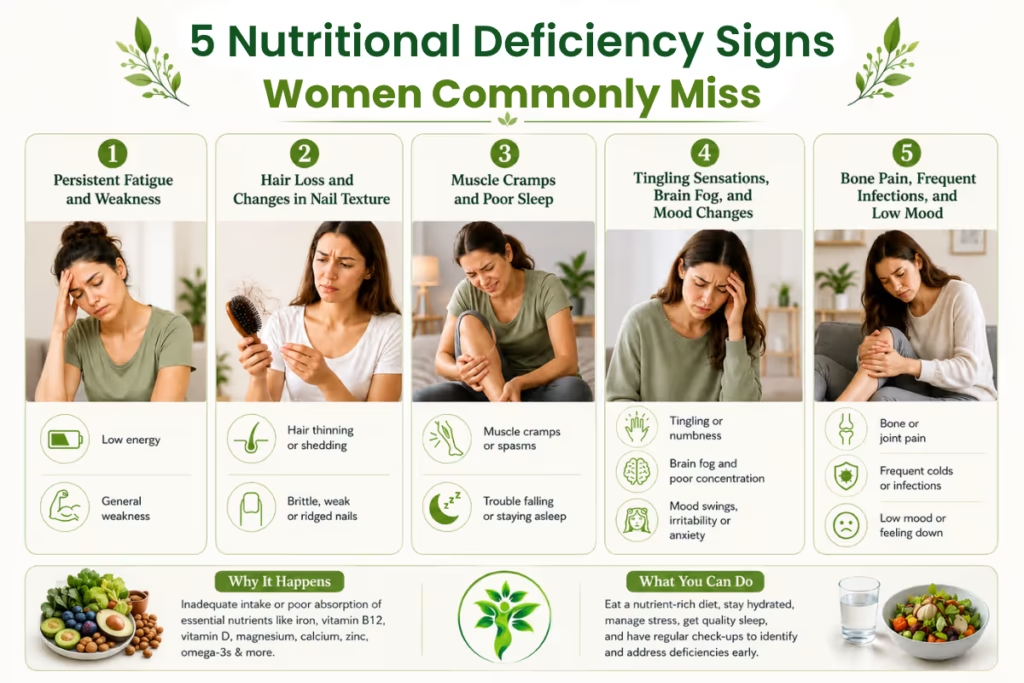
5 Nutritional Deficiency Signs Women Commonly Miss
The body communicates nutrient shortfalls in ways that can be easy to overlook or misattribute. The following signs are worth paying attention to, particularly if they are persistent or occur together.
Persistent Fatigue and Weakness

Fatigue is one of the most frequent nutritional deficiency signs in women, and iron is often the primary reason. When iron levels are low, the body produces less hemoglobin. Because hemoglobin carries oxygen to muscles and organs, reduced levels mean your tissues receive less oxygen than they need — and the result is a sense of exhaustion that does not improve with rest.
A study published in the journal Clinical Case Reports notes that menstruating women are among the most likely to experience this type of fatigue, sometimes for years, without the condition being identified.
Vitamin B12 also plays a significant role in energy production. Without adequate B12, the body struggles to produce healthy red blood cells, which reduces its ability to deliver oxygen efficiently.
As a result, low B12 can produce fatigue that feels similar to iron deficiency, along with an underlying sense of weakness.
Hair Loss and Changes in Nail Texture
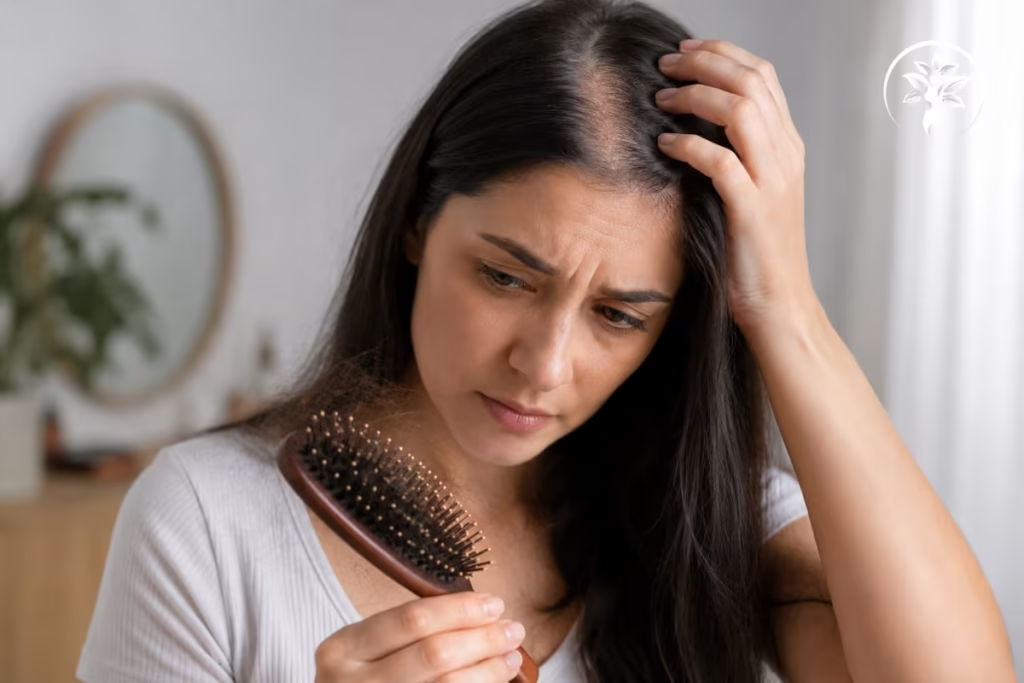
Finding more hair than usual on your pillow or in the shower drain is one of the more visible nutritional deficiency signs in women. A study published in the Journal of Obstetrics and Gynecology found that among women with iron deficiency anemia, 55.9% reported significant hair loss.
Hair follicles are among the most metabolically active structures in the body and require a consistent supply of iron, zinc, selenium, and fatty acids to maintain normal growth cycles.
Changes in nail texture are another indicator. Nails that are ridged, brittle, or develop a concave, spoon-like shape — a condition called koilonychia — can signal low iron.
Brittle nails may also reflect deficiencies in zinc or biotin. If you have noticed that your nails break more easily than they used to, this is worth discussing with your doctor.
Muscle Cramps and Poor Sleep

Magnesium is an essential mineral involved in over 300 biochemical processes in the body, including muscle relaxation, nerve signaling, and sleep regulation.
According to Mayo Clinic Press, more than 50% of the US population does not consume the recommended daily amount of magnesium — and low levels are rarely diagnosed until they become severe.
When magnesium is insufficient, muscles have difficulty relaxing fully after contracting. This can produce nighttime leg cramps, muscle twitching, or a general sense of physical tension.
Sleep is also affected because magnesium supports the production of GABA, a calming neurotransmitter that helps the nervous system wind down.
Women with low magnesium often describe difficulty falling asleep, frequent night waking, or waking up feeling unrefreshed despite a full night in bed.
For women in their 40s approaching perimenopause, these symptoms may be compounded by hormonal shifts — making magnesium status particularly worth evaluating.
Tingling Sensations, Brain Fog, and Mood Changes
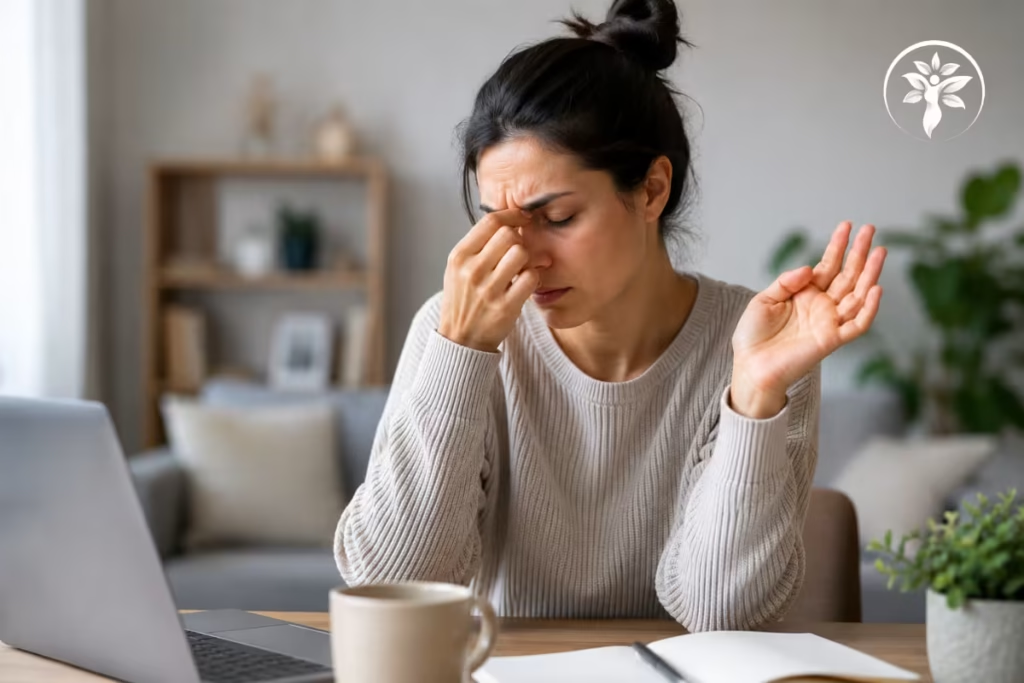
A persistent tingling or numbness in the hands, feet, or legs is a well-recognized sign of vitamin B12 deficiency. Labcorp’s health education resources explain that this sensation occurs because B12 plays a direct role in maintaining myelin, the protective sheath that surrounds nerve fibers.
When B12 levels are low, myelin degrades over time, and nerve signals become less efficient. The tingling typically begins in the extremities and can spread if the deficiency goes unaddressed for a long period.
Brain fog — the experience of difficulty concentrating, forgetting words mid-sentence, or feeling mentally slow — is also associated with low B12. This happens because B12 is involved in the production of neurotransmitters that regulate mood and cognitive function.
Women who describe feeling “not like themselves” mentally may find that addressing a B12 gap produces a noticeable improvement in clarity and emotional steadiness.
Bone Pain, Frequent Infections, and Low Mood
Vitamin D is often described as the “sunshine vitamin” because the skin produces it in response to sunlight exposure. However, many women in the US — particularly those who work indoors, live in northern climates, or have darker skin tones — do not produce sufficient amounts year-round.
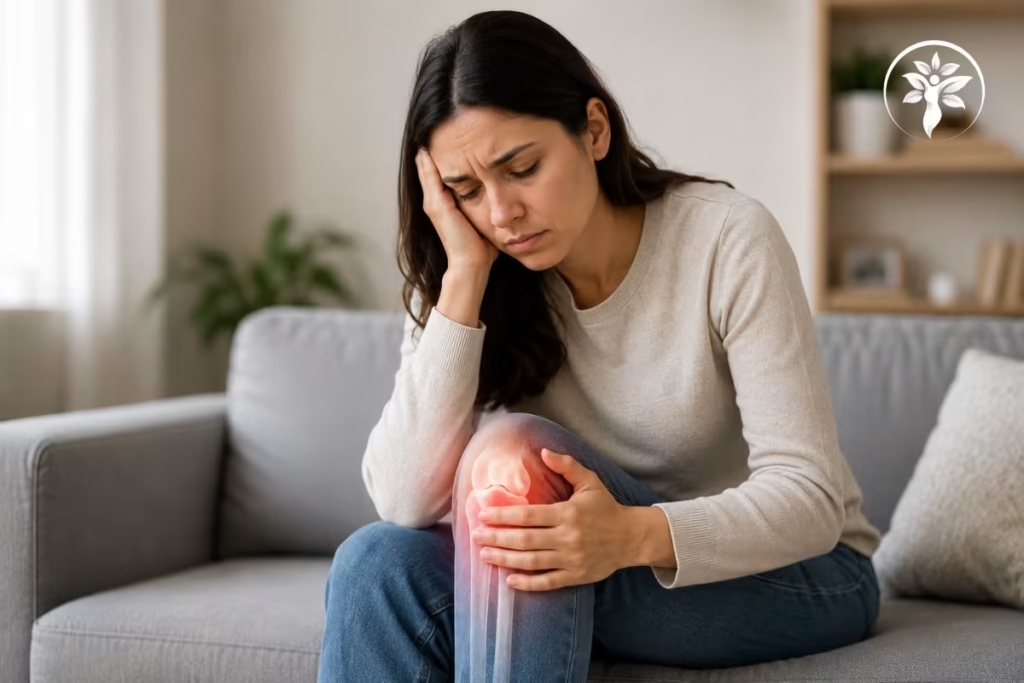
Cleveland Clinic’s health resources note that vitamin D deficiency can cause muscle weakness, bone pain, and mood changes, including symptoms that overlap with depression.
Because vitamin D is required for the body to absorb calcium properly, a deficiency over time can gradually reduce bone density.
Women are already at elevated risk for osteoporosis as they age, so maintaining adequate vitamin D levels is a significant factor in long-term bone health.
Frequent illnesses or infections that seem harder to shake may also reflect low vitamin D, as this nutrient plays an important role in regulating immune response.
Why Women Are at Greater Risk for Nutrient Deficiencies?
Nutrient deficiencies do not affect everyone equally. Women, because of biological and lifestyle factors, face a higher likelihood of running low on several key vitamins and minerals. Recognizing why this happens can help you take more targeted steps to address it.
Menstruation, Pregnancy, and Iron Loss
Monthly menstruation is one of the primary reasons women lose iron regularly. The body needs iron to produce hemoglobin, the protein in red blood cells responsible for transporting oxygen to tissues.
As a result, women of reproductive age consistently replace iron stores at a higher rate than men. During pregnancy, iron demands increase further, and the body also requires significantly more folate, calcium, and iodine to support fetal development.
Diet Patterns and Absorption Challenges
Even with a varied diet, some women do not absorb nutrients as efficiently as expected. Factors such as digestive conditions, low stomach acid, or eating patterns that limit animal proteins can reduce the absorption of iron, vitamin B12, and other key nutrients.
Women who follow plant-based diets, for example, may need to pay closer attention to B12 intake, as this vitamin is found almost exclusively in animal-sourced foods.
What the Data Says About American Women?
According to the CDC’s Second National Report on Biochemical Indicators, females in the United States have a significantly elevated risk for both iron and vitamin B6 deficiency compared to males.
Rates of vitamin D deficiency also remain high across all demographic groups. These are not rare conditions — they are patterns that affect a large portion of women across the country.
Frequently Asked Questions About Nutritional Deficiency Signs in Women
Can Nutritional Deficiency Cause Anxiety and Depression?
Yes, it can contribute to both. Magnesium deficiency, for example, affects the body’s stress response by increasing cortisol output and reducing GABA activity — both of which make anxiety harder to manage.
Vitamin B12 deficiency affects serotonin production, which can result in low mood, irritability, or heightened emotional sensitivity.
Vitamin D has also been linked to depressive symptoms in multiple studies, though researchers note that the relationship is complex and not fully established as a direct cause.
In such cases, addressing the underlying nutritional gap can help improve mood — though it is not a substitute for professional mental health support when that is needed.
Is It Possible to Have a Deficiency Even If You Eat Well?
Yes. A balanced diet significantly reduces the risk of deficiency, but it does not eliminate it. Several factors affect how well the body absorbs nutrients, including gut health, digestive conditions such as celiac disease or irritable bowel syndrome, age-related changes in stomach acid production, and certain medications.
Some nutrients — such as vitamin D — are difficult to obtain in adequate amounts from food alone, regardless of diet quality.
Therefore, eating well is an important foundation, but it does not always reflect what the body is actually absorbing and using at the cellular level.
When Should You See a Doctor About These Signs?
If you are experiencing two or more of the symptoms described in this post — and they have persisted for several weeks without a clear cause — a conversation with your healthcare provider is a reasonable next step.
A standard blood panel can measure levels of iron, ferritin, vitamin D, vitamin B12, and magnesium. Physicians at Rush University Medical Center note that when deficiencies are identified and addressed, symptoms often improve or resolve over time.
The earlier a deficiency is caught, the less time the body spends operating below its capacity.
Simple Steps to Support Better Nutrition
Understanding the signs is the first part. The second part is taking practical steps to address what your body may be missing.
Start with Food-First Approaches
For iron, focus on including red meat, poultry, fish, lentils, and spinach in your regular meals. Pairing plant-based iron sources with vitamin C-rich foods — such as bell peppers or citrus — improves how well your body absorbs them.
For magnesium, leafy greens, pumpkin seeds, almonds, and whole grains are reliable sources. Fatty fish like salmon, egg yolks, and fortified dairy products can help support vitamin D and B12 levels.
This approach to women’s wellness through nutrition is most effective when it becomes a consistent habit rather than an occasional effort.
When Supplementation May Be Helpful?
Supplementation is worth discussing with your doctor when dietary adjustments alone are unlikely to be sufficient. Women who follow vegan or vegetarian diets, those who are pregnant or breastfeeding, those with digestive absorption issues, and women in perimenopause or postmenopause often have needs that food cannot fully meet on its own.
In these cases, targeted supplementation — rather than a general multivitamin — tends to be more effective. A women’s wellness routine that includes the right supplements, at the right doses, can make a meaningful difference over time.
Getting Tested: What to Ask Your Doctor
Rather than guessing which nutrients you may be low in, ask your doctor for a comprehensive micronutrient panel. Specifically, you can request testing for serum ferritin (a more sensitive marker of iron stores than standard hemoglobin), 25-hydroxyvitamin D, vitamin B12, and serum magnesium.
These tests are widely available and provide a clear baseline. If deficiencies are found, your provider can recommend appropriate iron-rich foods, supplements, and follow-up testing to track your progress.
Understanding your baseline is a practical, low-effort way to take the guesswork out of your women’s health decisions.
Your Body’s Signals Are Worth Listening To
Nutritional deficiency signs in women are common, often subtle, and frequently mistaken for everyday stress or aging. Fatigue, hair thinning, poor sleep, brain fog, muscle cramps, and recurring infections all have the potential to trace back to a nutritional gap — not a personal failing or an inevitable part of life.
The good news is that most deficiencies are correctable once they are identified, and the body often responds well when it receives what it needs.
Start by paying attention to patterns. If symptoms are persistent and overlap with the signs described here, a simple blood test can give you much more clarity than guessing.
Small, consistent changes to your diet and, where appropriate, targeted supplementation can support meaningful improvement over time.
Want more practical women’s wellness content delivered to your inbox? Subscribe to the Grow Wellness Life newsletter and stay informed with evidence-based tips that help you feel your best every day.
This content is for informational purposes only and is not intended as medical advice. Please consult a qualified healthcare provider before making changes to your diet or supplement routine.