You’ve been holding it together. You’re showing up for work, taking care of your family, and keeping the schedule running. On the outside, everything looks fine. But inside, something feels off , and you can’t quite put your finger on it.
That’s the problem with stress. For many women, it doesn’t arrive with a loud breakdown. It shows up quietly, in the form of a sore jaw, sluggish digestion, a handful of extra hair on the shower floor, or a period that’s suddenly off-schedule.
According to the APA’s Stress in America survey, women report higher average stress levels than men, 5.3 versus 4.8 on a 10-point scale, and nearly a third of women rate their current stress level at an 8 out of 10. The signs of stress in women are often dismissed as unrelated symptoms. This post helps you connect the dots.
Subtle Signs of Stress in Women You Might Be Ignoring
These symptoms are easy to write off as unrelated issues. In many cases, though, they are the body’s way of communicating that it’s carrying more than it can manage.
You’re Waking Up Tired No Matter How Much You Sleep
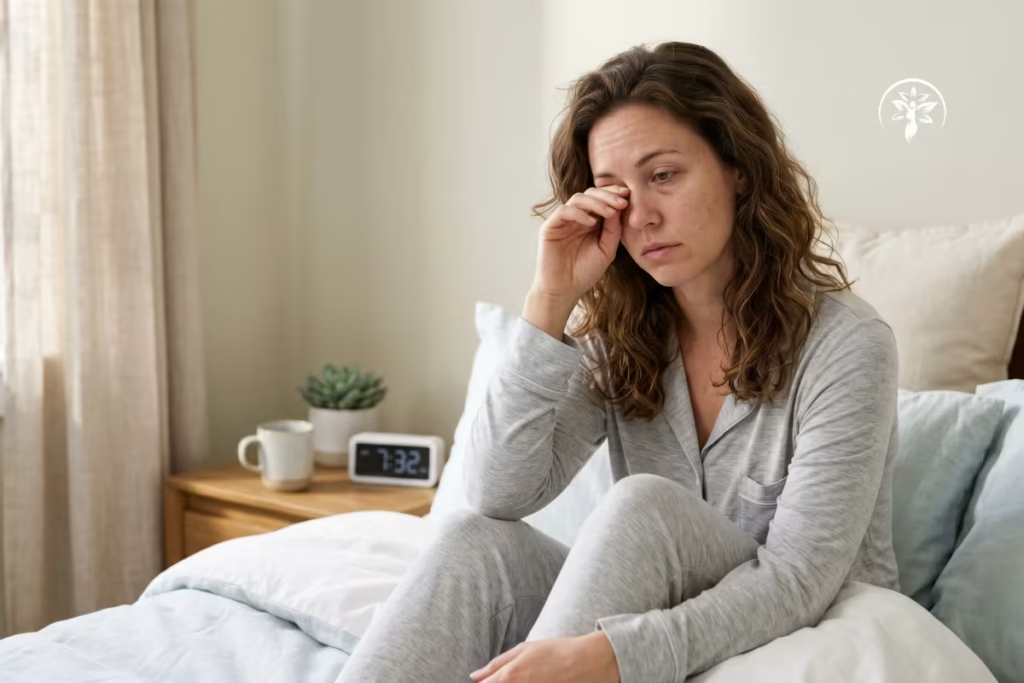
If you’re getting seven or eight hours but still feel exhausted by mid-morning, stress could be the reason. High cortisol levels interfere with the body’s natural circadian rhythm.
As a result, even if you fall asleep easily, the sleep you get may lack the deep, restorative quality your body needs. You might also find yourself waking in the early hours with racing thoughts.
Over time, this pattern leads to a persistent, low-grade fatigue that no amount of coffee seems to resolve. Addressing the stress itself, not just the sleep, is key to improving your energy levels.
Your Jaw Feels Sore in the Morning
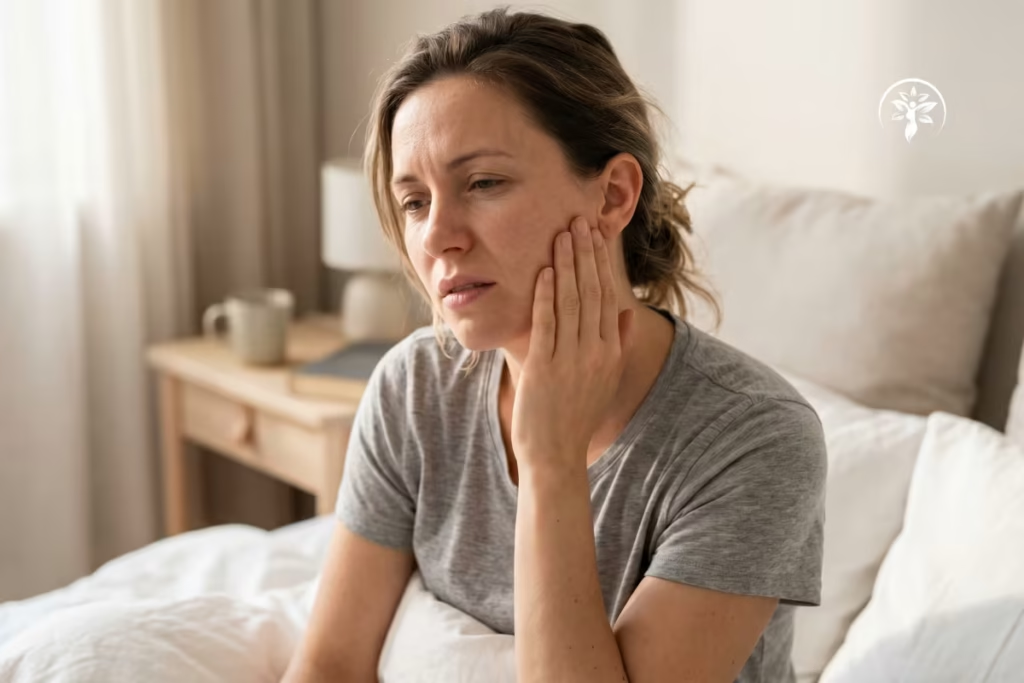
Waking up with jaw tension, tooth sensitivity, or a dull headache is a significant sign of stress that many women overlook. Kaiser Permanente notes that stress causes the muscles to tense up throughout the body, and the jaw is one of the most common places that tension accumulates.
Many women clench or grind their teeth during sleep without realizing it. The soreness you feel in your jaw or neck in the morning is the physical result of that tension. If this happens regularly, a dentist can evaluate whether a night guard would help, but managing overall stress levels is also an important step.
Your Gut Is Constantly Off
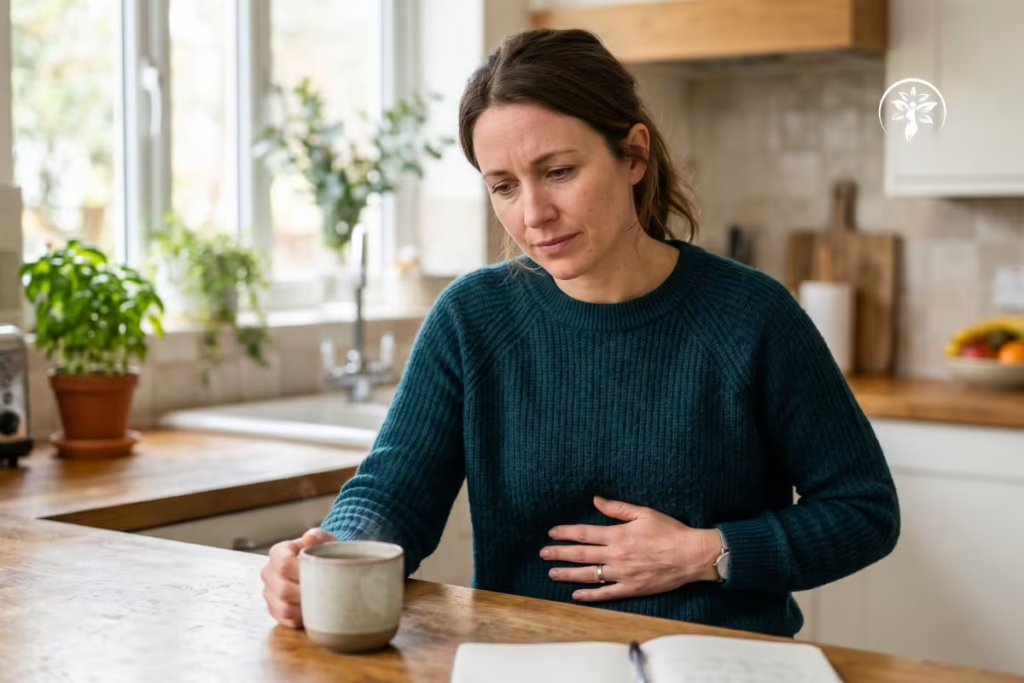
Bloating, cramping, irregular bowel movements, or unexplained nausea that seems to come and go; these digestive disruptions are frequently stress-related.
The gut and brain are connected through overlapping nerve pathways, so when stress activates the body’s fight-or-flight response, digestion is one of the first systems affected. Beyond that, elevated cortisol disrupts enzyme and stomach acid production, making it harder for the body to break down food properly.
Research also suggests that long-term stress depletes magnesium levels, which can further slow digestion and contribute to constipation. If you’ve ruled out food intolerances and the symptoms persist, stress is worth examining as a contributing factor.
You’re Losing More Hair Than Usual
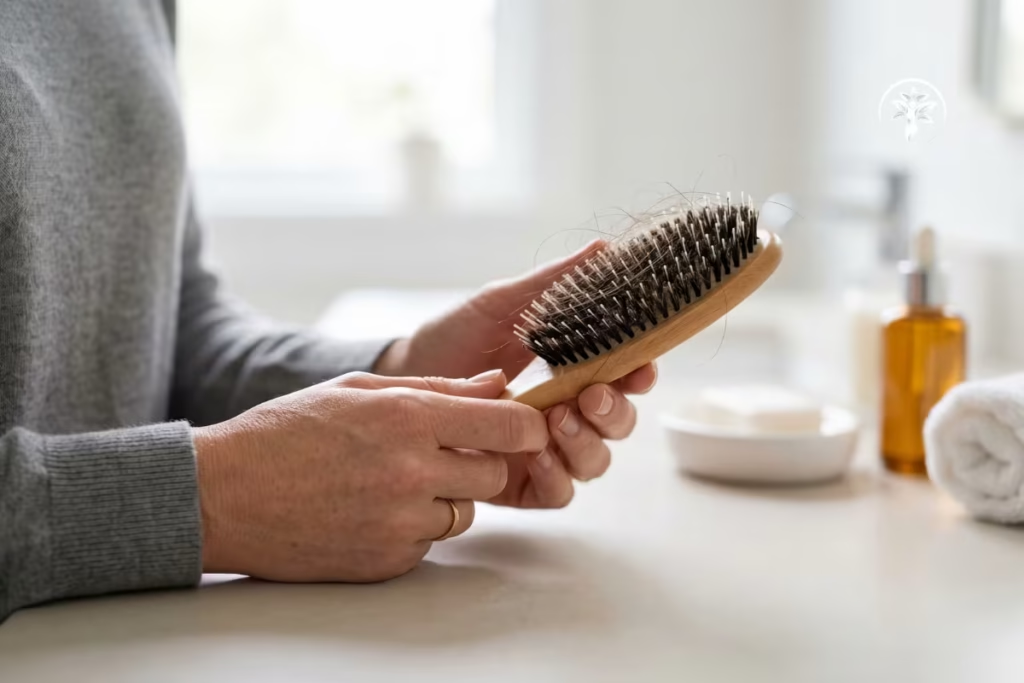
Noticing more hair on your pillow or in the shower drain is one of the signs of stress in women that tends to cause significant concern. The condition involved is called telogen effluvium, a process where elevated stress hormones push more hair follicles into the shedding phase simultaneously.
A pilot study published in the NCBI found that even moderate stress in otherwise healthy young women was enough to alter the normal hair growth cycle. The good news is that stress-related hair loss is typically not permanent. Once stress levels are better managed, the cycle tends to regulate over time.
Your Skin Is Breaking Out or Looking Dull

Stress-related skin changes are more than cosmetic. Cortisol triggers increased oil production, which can lead to breakouts along the jawline and chin, an area that’s particularly hormone-sensitive.
Beyond acne, chronic stress can leave skin looking tired and uneven because it impairs the skin’s ability to repair itself overnight. If you’re noticing skin changes alongside other symptoms on this list, your overall women’s wellness routine may benefit from a closer look at your stress levels rather than just adding another product to your shelf.
Why Stress Hits Women’s Bodies Differently?
Stress affects everyone, but its physical impact on women is distinct. Understanding why this happens makes it easier to recognize the signs of stress in women before they escalate into more serious health concerns.
The Hormonal Connection
When your body perceives a threat, whether that’s a difficult conversation, a financial worry, or a packed calendar, it releases cortisol, the primary stress hormone.
The problem is that cortisol doesn’t operate in isolation. As the Office on Women’s Health explains, elevated cortisol over time can interfere with estrogen and progesterone, the hormones that regulate the menstrual cycle, mood, and sleep. Because women’s hormonal systems are naturally more complex, stress tends to produce a wider range of physical symptoms compared to men.
Why Women Report More Physical Symptoms
Research consistently shows that women are more likely than men to experience physical and emotional symptoms related to stress, including headaches, digestive issues, and fatigue.
Women are also more likely to have mental health conditions, such as depression and anxiety, that are made worse by ongoing stress. This isn’t a matter of sensitivity. It reflects the real physiological differences in how the female body processes and responds to prolonged pressure.
How Does Stress Affect a Woman’s Hormonal and Reproductive Health?
Why Stress Can Disrupt Your Menstrual Cycle
The menstrual cycle depends on precise hormonal communication between the brain and the ovaries. When stress is prolonged, communication is disrupted. According to Raleigh OB-GYN, high cortisol suppresses the hormones responsible for triggering ovulation, which can lead to delayed periods, lighter or heavier bleeding, or missed cycles altogether.
A study in NCBI also found that menstrual irregularities are one of the most measurable physical markers of chronic stress in women, meaning your cycle can serve as a reliable indicator of what your body is actually experiencing. If your periods have become unpredictable without a clear medical cause, stress is worth discussing with your doctor.
How Chronic Stress Lowers Libido and Energy?
A reduced interest in intimacy is another sign of stress in women that often goes unacknowledged. When the body is under sustained pressure, it prioritizes the production of stress hormones above all else. As a result, the hormones that support sexual desire are gradually depleted. This isn’t a personal or relational problem; it’s a physiological one.
The body is simply redirecting its resources. Beyond libido, this hormonal shift also contributes to the general flatness and lack of motivation that many women feel during high-stress periods. Improving stress management for women can meaningfully restore both energy and interest over time.
Can Stress Affect Fertility?
Yes, in some cases it can. Prolonged stress can lead to a condition called anovulation, where the ovaries do not release an egg during the cycle. Because cortisol interferes with the hormones that regulate ovulation, women under chronic stress may experience cycles that appear normal on the surface but do not produce eggs.
This doesn’t mean stress is the sole factor in fertility challenges, but it is a contributing one that’s often overlooked. If you are trying to conceive and have experienced irregular cycles alongside elevated stress, consulting a healthcare provider is a practical next step.
What Can You Do When You Notice These Signs of Stress?
Small Daily Habits That Help Regulate the Stress Response
The goal isn’t to eliminate stress entirely; that isn’t realistic. The goal is to reduce the body’s baseline stress load so it can recover more effectively. A few practical approaches:
- Movement: Even 20–30 minutes of moderate exercise daily helps regulate cortisol and improve sleep quality.
- Breathing: Slow, diaphragmatic breathing activates the vagus nerve, which signals the body to shift out of fight-or-flight mode.
- Sleep consistency: Going to bed and waking at regular times, even on weekends, helps stabilize cortisol patterns over time.
- Nutrition support: Magnesium-rich foods like leafy greens, nuts, and seeds can help restore what stress depletes. You can explore more about nutrition and stress management to build a supportive daily routine.
- Reducing stimulants: Caffeine amplifies the stress response. Cutting back in the afternoon can improve sleep and reduce cortisol spikes.
These habits work gradually, not instantly. But with consistency, they produce measurable improvement in how the body responds to daily pressure.
When to Talk to a Healthcare Provider?
If you’re experiencing several of the signs listed above, particularly irregular periods, significant hair loss, persistent fatigue, or frequent digestive issues, it’s worth speaking with your doctor.
Chronic stress can be difficult to assess on your own because many of its symptoms overlap with other conditions. A healthcare provider can help rule out other causes and, if stress is the primary factor, discuss both lifestyle support and clinical options.
You don’t need to wait until things feel unmanageable to ask for help. Catching these patterns early makes them far easier to address.
Conclusion
The signs of stress in women are often subtle, physical, and easy to dismiss as unrelated problems. A sore jaw, erratic digestion, hair shedding, disrupted cycles, or persistent fatigue are all ways the body communicates that its stress load is becoming too heavy.
Recognizing these signals is the first step. From there, consistent daily habits, paired with professional support when needed, can help restore balance over time.
If this resonated with you, explore more practical women’s wellness tips on Grow Wellness Life to support your health at every stage.